Skip to content

Italy’s Cuisine Capitals: Rome And Naples

Italy, a country famous for its rich and diverse food culture, is a gastronome paradise. Every region has its culinary identity, its unique palate shaped by geography, history, and tradition. However, two cities stand out for their iconic dishes and the distinct food cultures they foster, Rome, the nation’s capital, and Naples, the vibrant southern city. This article will take you on a gastronomic journey through these two cuisine capitals, exploring their signature dishes, wine and coffee cultures, popular dining spots, and opportunities to learn their culinary arts.

Rome vs. Naples: A Tale Of Two Cities
Italy's Cuisine Capitals

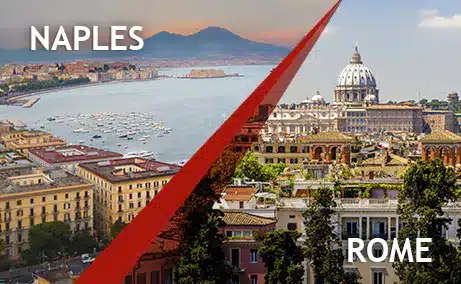
Rome and Naples, while both symbolic of the Italian love for food, offer contrasting culinary experiences. With its imperial past and cosmopolitan character, Rome boasts a cuisine that’s hearty and refined. In contrast, Naples, a seaside city with a bustling, chaotic charm, is home to simpler, rustic dishes, with the sea playing a significant role in shaping its food culture.

The geographical and cultural differences between the two cities also seep into their cuisine. Rome, inland and stately, is known for its meat-based dishes and artichokes, while Naples, with its spectacular location by the sea, is a seafood lover’s delight. This fascinating dichotomy is an integral part of the culinary journey we’re about to embark upon.

The Signature Dishes Of Rome
Italy's Cuisine Capitals

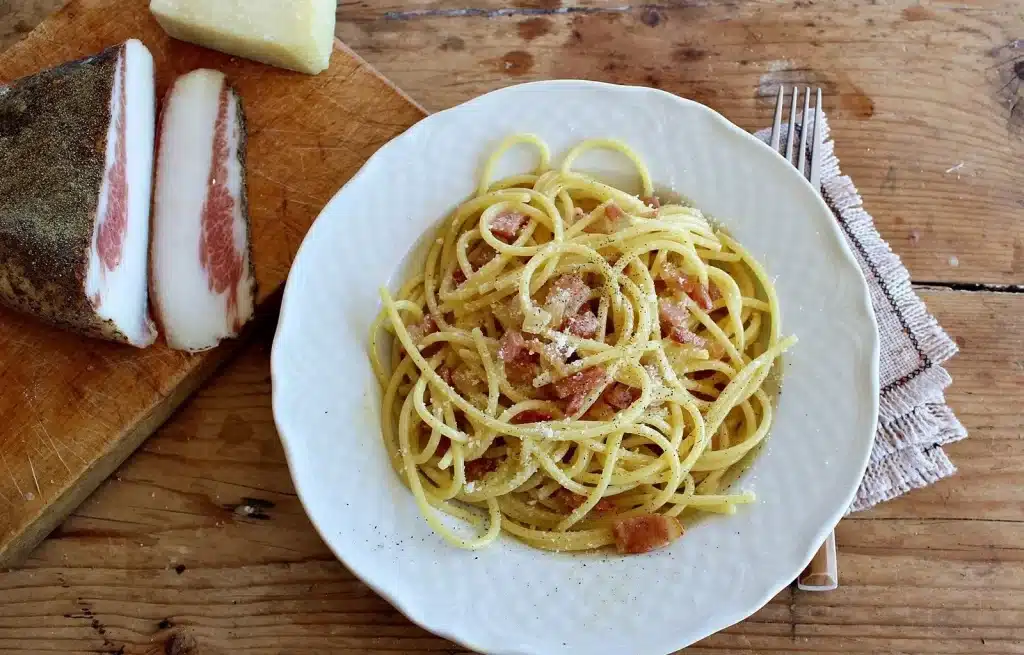
When it comes to Roman cuisine, the first dish that comes to mind is Pasta alla Carbonara. This hearty pasta dish, traditionally made with eggs, Pecorino Romano cheese, guanciale, and black pepper, is a testament to the simplicity and robust flavors that Roman food is known for. It is a culinary symbol of the city, a dish where simplicity meets decadence.

Saltimbocca, another Roman classic, perfectly represents the city’s love for meat dishes. This simple yet flavorful dish made of veal, prosciutto, and sage, cooked in white wine, embodies the Roman ethos of minimalism in cooking. Supplì, on the other hand, a favorite Roman street food made of rice, tomato sauce, and mozzarella, showcases the city’s more informal and bustling food culture.

Pizza And More: The Flavors Of Naples

Italy's Cuisine Capitals

Neapolitan cuisine is famed worldwide for a reason, and it all starts with Pizza Napoletana. Traditional Neapolitan pizza, with its thin, soft, and slightly charred crust, fresh tomatoes, and creamy mozzarella, embodies Naples’ culinary philosophy: fresh, local ingredients prepared with care and passion. No visit to Naples would be complete without savoring this iconic dish.

The influence of the sea is also strongly felt in Neapolitan cuisine, with various seafood dishes making up a large part of the city’s culinary repertoire. Dishes like Spaghetti alle Vongole, with its fresh clams, garlic, and olive oil, capture the essence of Naples’ seaside location. Lastly, mentioning Neapolitan cuisine would be incomplete without Baba al Rum, a sweet, rum-soaked cake in the city, showcasing the Neapolitans’ love for desserts.

Rome’s Wine Culture

Italy's Cuisine Capitals

A discussion about Rome’s culinary landscape would be incomplete without a nod to its vibrant wine culture. Romans have a penchant for wines, especially those sourced from the surrounding regions of Lazio. In local taverns and restaurants, Roman meals are often paired with local wines, enhancing the flavors of the cuisine and elevating the dining experience.

Among Rome’s popular local wines are those from Frascati and the Castelli Romani area. These crisp, white wines are beloved for their light, refreshing quality, making them the perfect accompaniment to Roman dishes. From sipping on a chilled glass of Frascati in a bustling wine bar to exploring the vineyards of Castelli Romani, Rome’s wine culture offers a delightful journey of tastes and experiences.

Naples And Its Love For Coffee

Italy's Cuisine Capitals

In contrast to Rome’s wine-centric culture, Naples is famous for its enduring love affair with coffee. Neapolitan coffee culture is a unique, almost sacred tradition, with the locals treating coffee as a drink and ritual. From the meticulous preparation methods to the specific way of consuming the beverage, Neapolitans take their coffee very seriously.

The famous ‘Caffè Sospeso’ is a perfect example of how coffee culture is embedded in Naples’ social fabric. It’s a tradition of paying for two coffees but consuming only one, leaving the second for someone who can’t afford it. It beautifully encapsulates the spirit of Naples – passionate, generous, and community-oriented.

Eating Out: Rome’s Best Restaurants And Street Food Spots

Italy's Cuisine Capitals

To truly appreciate Rome’s culinary culture, venture beyond the usual tourist trail and dive into the city’s thriving restaurant scene. From Michelin-starred establishments to humble family-run trattorias, Rome offers a range of dining experiences that honor the city’s culinary heritage while constantly reinventing it. You can savor traditional Roman dishes in these establishments, which are expertly prepared and often innovatively presented.

However, Roman cuisine isn’t restricted to formal dining spaces. Much of Rome’s culinary charm lies in its bustling street food scene. From pizza al taglio (pizza by the slice) to supplì stalls, these streetside eateries offer Rome an authentic and flavorful taste. Don’t miss the bustling markets, where locals shop for fresh produce and indulge in delicious street foods.

Savoring Naples: The Best Pizzerias And Seafood Restaurants

Italy's Cuisine Capitals

Finding the perfect pizza in Naples can be daunting, given the city’s countless pizzerias. However, a few stand out, not just for their delectable pizzas but for how they encapsulate the city’s soul in every bite. These places where traditional techniques meet the freshest ingredients, resulting in pizzas that are nothing short of perfection.

Naples’ seafood scene is equally enticing, with many restaurants serving up dishes that highlight the sea’s bounty. Often family-run and steeped in tradition, these eateries offer a delicious window into Naples’ maritime heritage. And when it comes to desserts, Neapolitan pastry shops and dessert parlors offer a sweet ending to any meal, with treats like Baba al Rum and sfogliatella.

Learn To Cook Like A Roman Or A Neapolitan

Italy's Cuisine Capitals

Participating in a cooking class or culinary tour is an excellent option for those seeking a deeper understanding of Rome and Naples’ culinary culture. These experiences provide an immersive look into the region’s food traditions, allowing participants to learn from local chefs and home cooks.

In Rome, classes often focus on mastering classics like Carbonara or Saltimbocca, while pizza-making courses are popular in Naples. Beyond recipes and techniques, these experiences offer insights into local food history and traditions, enriching any culinary journey.

The Bottom Line

The gastronomic landscape of Italy is as varied as it is delightful, with every city offering its unique culinary repertoire. Rome and Naples, with their distinct food cultures, provide a gastronomic experience that’s both diverse and deeply rooted in tradition. From Rome’s hearty, meat-based dishes to the sea-influenced flavors of Naples, these cities serve up a culinary journey beyond mere consumption. It explores history, culture, and a deep-seated love for food. So whether you’re sipping on a glass of Frascati wine in a Roman trattoria or indulging in a slice of Neapolitan pizza, remember that you’re not just enjoying a meal – you’re partaking in a gastronomic tradition that’s been centuries in the making.