In the Bay of Bengal, shrouded in mystery and protected by law, lies North Sentinel Island, a place unlike any other on Earth. Home to the Sentinelese, an indigenous tribe that has lived in voluntary isolation for centuries, this island represents one of the few untouched places left in the world. Governed by strict legal protections, North Sentinel Island stands as a testament to the complexities of human curiosity, conservation, and respect for indigenous cultures. This post explores the enigmatic allure of the Forbidden Island, exploring its history, the reasons behind its inaccessibility, and the ethical considerations surrounding it.
The Mysterious Sentinelese

The Sentinelese tribe, residing on North Sentinel Island, is one of the last groups to remain virtually untouched by modern civilization. Their voluntary isolation has preserved a way of life that is entirely independent of the outside world. Little is known about their language, culture, or daily practices, as they have consistently resisted contact with outsiders. This resistance has not only protected their way of life but also shielded them from diseases to which they have no immunity. The tribe’s choice to remain isolated poses a unique challenge to the outside world, balancing respect for their autonomy with the curiosity to learn more about them.
The Sentinelese are known for their fierce defense of their privacy and territory. Past attempts to interact with them, whether well-intentioned or not, have often been met with hostility. This reaction is understood as a means of self-preservation, guarding against the risks posed by external contact. The Indian government, recognizing the tribe’s desire for isolation, has made it illegal to approach the island, thereby protecting the Sentinelese from potential harm. Their existence raises important questions about the rights of indigenous peoples to live as they choose, free from external interference.
Geographical Isolation
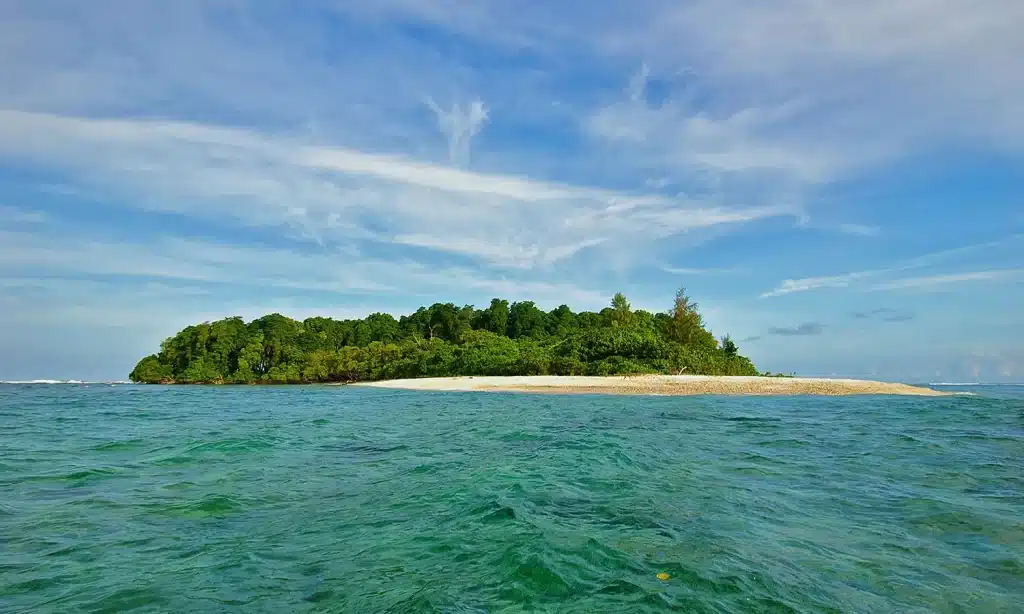
North Sentinel Island’s location contributes significantly to its isolation. Situated in the Bay of Bengal, the island is surrounded by treacherous waters and dangerous coral reefs, making access by sea a formidable challenge. The island itself is covered in dense forest, further deterring exploration. Its remote location has helped preserve its untouched nature, keeping it off the radar of most tourists and explorers.
The island’s geography has played a crucial role in the Sentinelese’s ability to maintain their isolation. The lack of natural harbors and the perilous surrounding reefs provide a natural barrier against unwanted visitors. This geographical seclusion has allowed the Sentinelese to develop and sustain their unique way of life over centuries, virtually uninterrupted by the outside world. The island’s natural defenses, combined with legal protections, have effectively kept it off-limits, preserving its mystery and untouched beauty.
Legal Protections and Restrictions

The legal framework surrounding North Sentinel Island is stringent and clear. The Andaman and Nicobar Islands Protection of Aboriginal Tribes Act of 1956 prohibits travel to the island, safeguarding the Sentinelese from external contact. This law is enforced by the Indian government, which has declared the island and its surrounding waters a no-go zone for outsiders. The prohibition extends to a radius of 5 nautical miles around the island, creating a buffer zone for the protection of the tribe.
These legal restrictions are in place primarily to protect the Sentinelese from diseases to which they have no immunity. History has shown that indigenous populations can be decimated by illnesses brought by outsiders, even those as common as the flu. The Indian government’s stance also reflects a broader respect for the tribe’s desire for isolation and their right to live undisturbed. By enforcing these laws, authorities aim to prevent the disruption of the Sentinelese’s way of life and to protect their sovereignty.
Historical Encounters

North Sentinel Island has seen a handful of encounters with the outside world, each marked by its own set of challenges and outcomes. The most notable of these include British colonial expeditions in the 19th century, which attempted to study the island and its inhabitants. These encounters often ended in failure, with the Sentinelese resisting any form of contact or communication. Such historical interactions have contributed to the understanding that the Sentinelese wish to remain isolated.
In more recent times, accidental encounters have occurred, such as fishermen drifting too close to the island or a missionary attempting to make contact. These incidents have often ended tragically, reinforcing the dangers of attempting to approach the island. They have also highlighted the Sentinelese’s consistent stance on defending their territory against outsiders. These encounters serve as a reminder of the importance of respecting the tribe’s wish for isolation and the laws put in place to protect it.


