Heritage sites serve as gateways to the past, offering a glimpse into the ancient civilizations, natural wonders, and cultural influences that have shaped the world. These remarkable locations, recognized for their historical significance, architectural marvels, and cultural impact, span continents and eras, telling stories of human achievement and natural beauty. From the architectural feats of ancient builders to the spiritual sanctuaries that have drawn pilgrims for centuries, this journey through the world’s top 10 heritage sites promises to enlighten and inspire. Each site, with its unique narrative and contribution to collective history, invites you to explore the depths of human creativity and resilience.
The Great Pyramid of Giza, Egypt

The Great Pyramid of Giza, standing as the last of the Seven Wonders of the Ancient World, encapsulates the pinnacle of ancient Egyptian engineering and architectural skill. Constructed over 4,500 years ago, this monumental tomb was erected for Pharaoh Khufu, showcasing the advanced understanding of mathematics and astronomy of its time. Its precise alignment with the stars and the sheer scale of its construction continues to awe scholars and visitors alike. The Great Pyramid is not only a testament to the ingenuity of ancient Egypt but also a lasting symbol of humanity’s quest to achieve the extraordinary.
Despite centuries of study, the methods used in its construction remain a topic of debate and fascination, underscoring the pyramid’s significance in the fields of archaeology and engineering. Beyond its architectural grandeur, the pyramid and its surrounding complex offer insights into the religious and social practices of the ancient Egyptians. It draws millions of visitors each year, who come to marvel at its ancient beauty and ponder the mysteries that it still guards. The Great Pyramid of Giza remains an enduring legacy of Egypt’s magnificent past, inviting exploration and admiration.
Machu Picchu, Peru

Perched high in the Andes Mountains, Machu Picchu stands as an enduring testament to the ingenuity and spirit of the Inca civilization. This ancient citadel, rediscovered by Hiram Bingham in 1911, was believed to be a royal estate or sacred religious site. Its intricate stone constructions blend seamlessly with the natural landscape, creating a harmonious balance between human craftsmanship and the environment. Machu Picchu’s isolation and the mystery surrounding its original purpose add to the allure that attracts scholars and tourists from around the globe.
The site’s architectural prowess is evident in its terraced fields, sophisticated drainage systems, and astronomical alignments, highlighting the Incas’ deep understanding of agriculture, architecture, and astronomy. The Intihuatana stone, thought to function as an astronomical clock or calendar, exemplifies the civilization’s advanced knowledge. Machu Picchu serves as a window into Incan society and a symbol of resilience, surviving centuries of exposure to harsh mountain conditions. It continues to inspire awe and wonder, cementing its place as a jewel of historical and cultural heritage.
The Colosseum, Italy
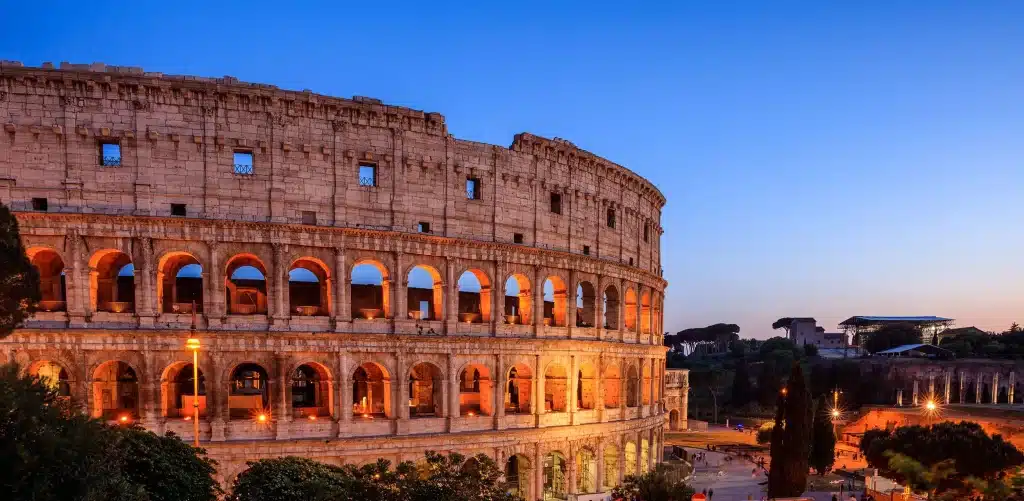
The Colosseum in Rome, an iconic symbol of the Roman Empire’s might and architectural innovation, has captivated the imagination of the world for nearly two millennia. Constructed between AD 70 and 80, this amphitheater could hold upwards of 50,000 spectators, who gathered to watch gladiatorial contests, public spectacles, and mock sea battles. Its ingenious design, including the use of concrete and the intricate system of vaults and arches, allowed for the rapid movement of crowds and has influenced stadium construction throughout history. Today, the Colosseum stands as a monument to Roman engineering and a reminder of the cultural and political power of ancient Rome.
Despite the passage of time and the damage inflicted by earthquakes and stone robbers, the Colosseum retains its majesty and grandeur. It serves as a poignant symbol of the transitory nature of human endeavors while simultaneously celebrating the enduring legacy of Roman architectural and engineering practices. Visitors to the Colosseum can still feel the echoes of ancient Rome as they walk through the same entrances once used by spectators eager to witness the spectacles within. The Colosseum embodies the height of Roman architectural achievement and the complexity of its society.
Petra, Jordan

Petra, the rose-red city half as old as time, carved directly into the vibrant sandstone cliffs of southern Jordan, stands as a testament to the ingenuity of the Nabateans. This ancient trading hub, flourishing around the 1st century AD, linked the silk and spice routes from the East to the West. The city’s most famous structure, the Treasury (Al-Khazneh), greets visitors with its breathtaking façade, believed to be the mausoleum of Nabatean King Aretas IV. Petra’s intricate water conduit system, which supported its population through harsh desert conditions, showcases the advanced engineering skills of its inhabitants.
Beyond the Treasury, Petra sprawls over a vast area filled with tombs, temples, and an ancient theater, all carved from the dusky pink stone that glows at sunset. This UNESCO World Heritage site, rediscovered by Swiss explorer Johann Ludwig Burckhardt in 1812, has since captured the world’s imagination, appearing in numerous films and literature. Petra’s enduring beauty and the mystery of its decline continue to attract researchers and tourists alike, eager to uncover and experience the secrets held within its walls. The city remains a symbol of cultural resilience and architectural mastery, echoing the grandeur of a civilization lost to time.
The Great Wall of China

Spanning thousands of miles across northern China, the Great Wall stands as a monumental feat of engineering and a testament to the determination of the Chinese people to protect their lands from invasion. Constructed by various dynasties over centuries, the wall weaves through mountains, deserts, and plains, showcasing China’s vast landscape as much as its people’s resilience. Its construction began as early as the 7th century BC, with the most famous sections built during the Ming Dynasty. The Great Wall not only served as a formidable barrier against invasions but also facilitated trade and communication, playing a crucial role in the development and protection of Chinese civilization.
Despite the passage of time, the Great Wall continues to be a symbol of national pride and an embodiment of China’s historical significance. It draws visitors from around the world, who trek along its length to witness firsthand the ingenuity of ancient construction techniques and the breathtaking views it offers. The wall’s architectural grandeur and historical depth provide a tangible link to China’s past, offering insights into the strategic importance of defense and the immense labor invested in its construction. As one of the most recognizable symbols of China’s cultural heritage, the Great Wall stands as a monument to human perseverance and creativity.


