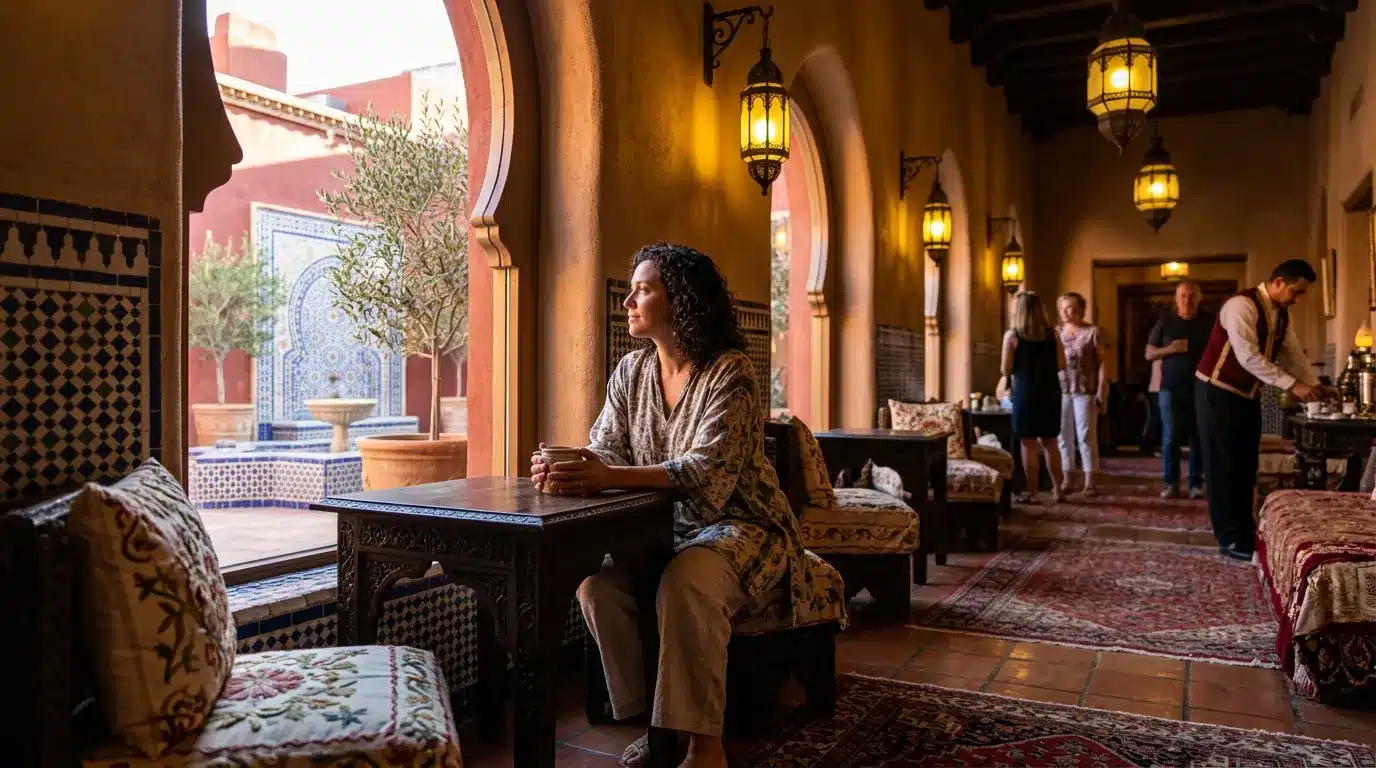
Overlooked Small Towns Worth Visiting
A look at why quieter communities are easy to miss, what makes them rewarding, and how to plan a visit that benefits both traveler and town.
Overlooked small towns worth visiting rarely appear at the top of a popular itinerary, yet they often deliver the kind of unhurried, memorable travel that busier destinations struggle to offer. These are places with a main street, a local history, and a rhythm shaped by residents rather than by tour schedules. Many sit only a short drive from well-known routes, which makes them easy to pass without a second glance. This guide explores why such towns go unnoticed, what separates a worthwhile stop from a forgettable one, and how to approach a small-town trip with curiosity and care, drawing on a handful of well-documented examples from the United States.
Why Small Towns Get Overlooked
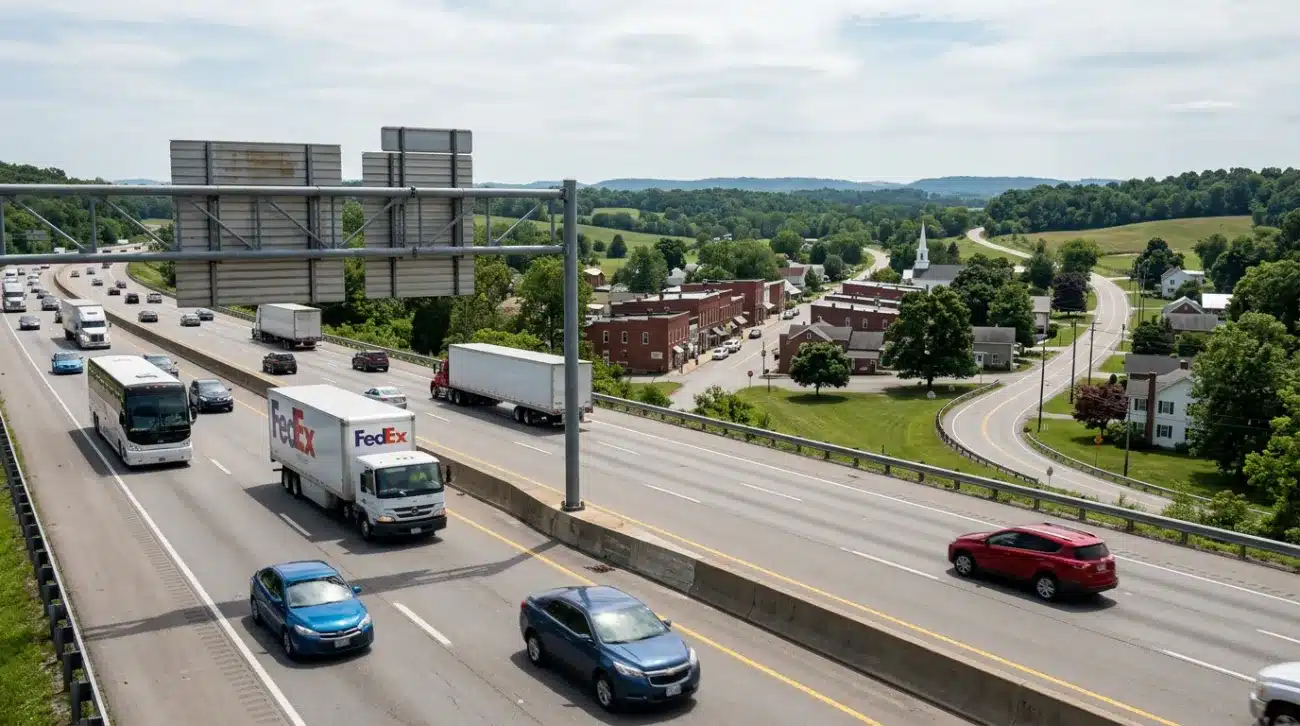
Most travel planning follows the pull of famous names. National parks, major cities, and landmark attractions dominate guidebooks and social media feeds, and travelers often build their routes around them. Smaller communities that lie between those anchors tend to become places people drive through rather than stop in. Limited marketing budgets, modest lodging options, and the absence of a single headline attraction can all contribute to that status.
There is also a perception problem. A town without a famous landmark can seem to offer little to do, particularly to visitors who measure a trip by the number of sights ticked off. In practice, the appeal of a small town is usually cumulative rather than singular. It may come from the architecture along a few historic blocks, a local gallery, a trail that starts at the edge of town, or a diner where conversation with staff becomes part of the experience. Those qualities are hard to capture in a single photograph, which is one reason they are easy to underestimate when planning from a distance.
What Makes a Hidden Gem Town Worth the Trip
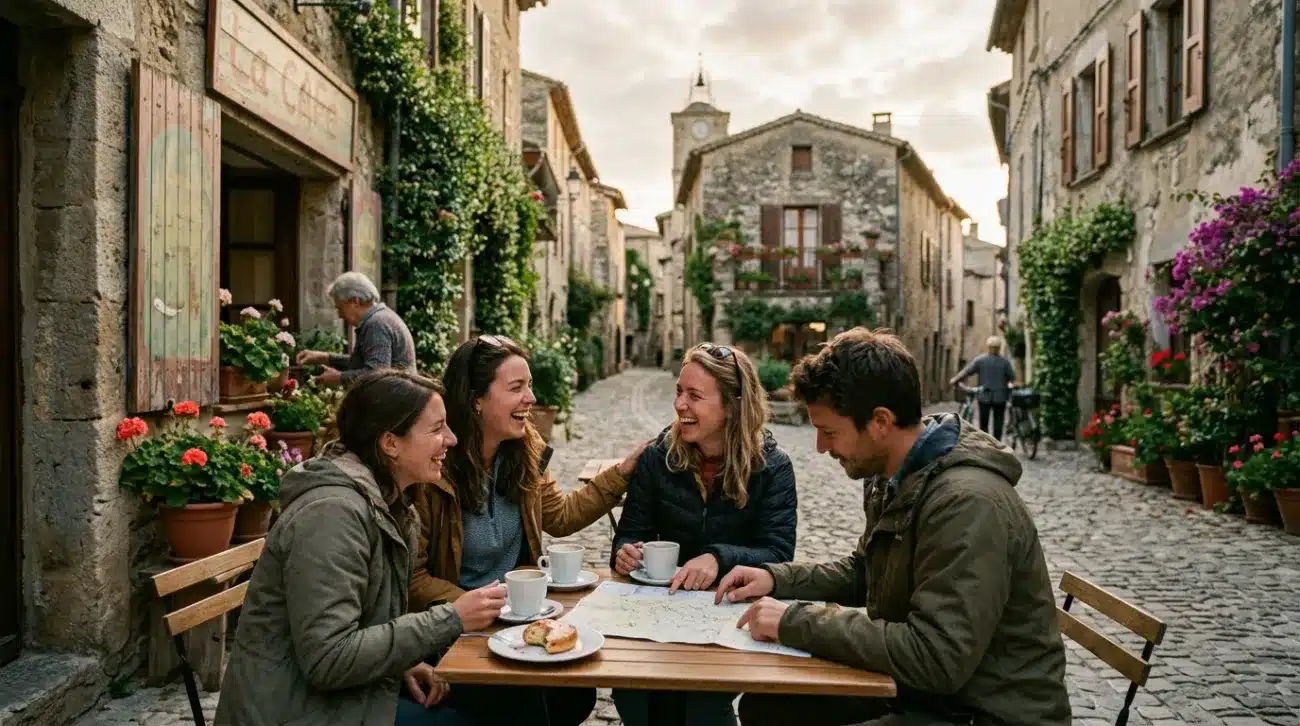
No official standard defines a hidden gem, so the term is best understood as an editorial judgment rather than a measured category. In general, travelers tend to value a few recurring qualities. A walkable center allows a visit to unfold on foot. A distinct identity, rooted in history, industry, or the surrounding landscape, gives the town a story that is different from its neighbors. Independent businesses, from bookshops to bakeries, add texture that chain-heavy corridors rarely provide.
Setting matters as well. Many rewarding small towns sit beside rivers, in mountain valleys, or along coastlines, which places hiking, paddling, or simple scenery within minutes of a coffee shop. The strongest candidates combine several of these traits so that a single day, or a long weekend, feels full without feeling rushed.
Arts and Heritage
Towns where galleries, museums, or preserved industrial history give the visit a clear narrative.
Outdoor Access
Communities close to trails, waterways, or parkland, where nature is part of the daily routine.
Historic Architecture
Walkable centers with well-kept older buildings that reward slow exploration on foot.
Local Food and Craft
Places where independent restaurants, makers, and shops carry much of the town’s character.
This breakdown is an editorial categorization intended to organize ideas, not measured data or a ranking.
Small Towns in the United States Worth a Detour
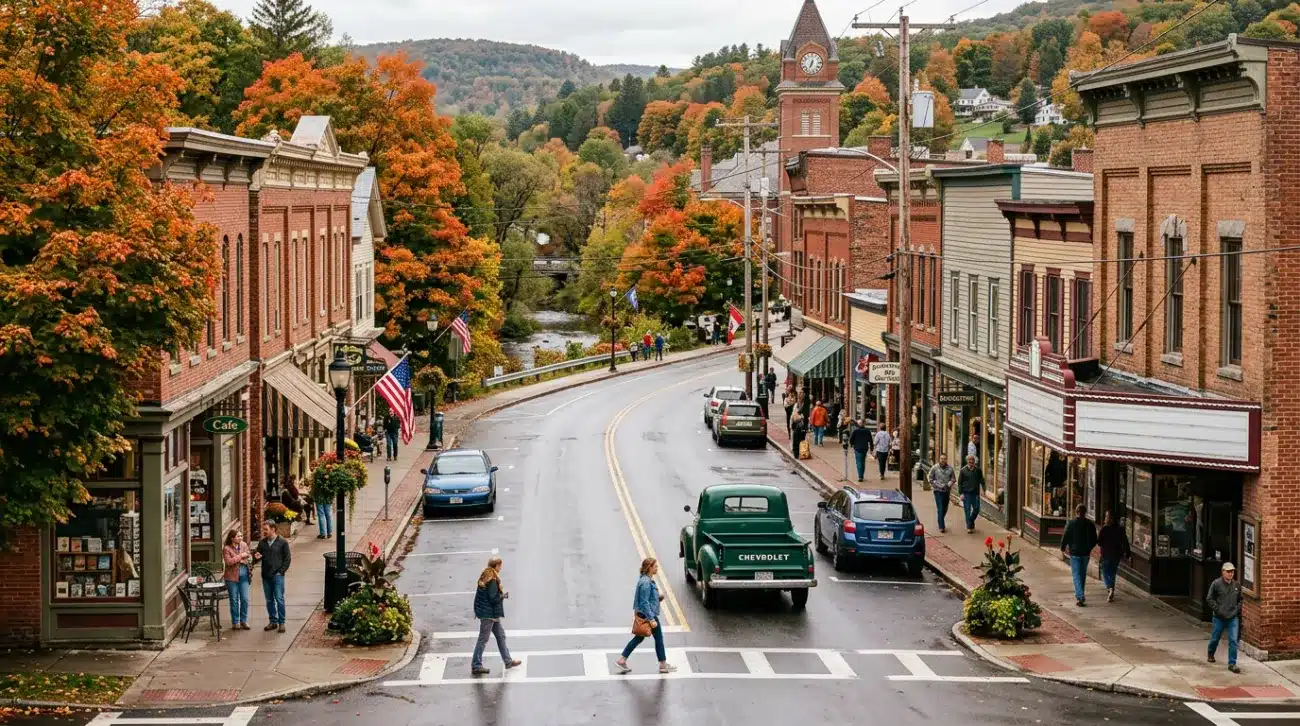
Several American towns illustrate how a modest population and a rich story can coexist. Mineral Point, Wisconsin, is rooted in the nineteenth-century lead mining boom, when Cornish miners settled in the area and built stone dwellings, some of which still stand. Today the historic downtown is associated with art studios, galleries, and independent shops, making it a good fit for travelers who enjoy heritage combined with a creative scene.
In southeastern Arizona, Bisbee grew as a copper mining community and retains a historic district of steep, winding streets and older buildings climbing the hillsides of the Mule Mountains. Its mining past remains central to its identity, and visitors often come to explore that history along with the town’s galleries and eateries. The terrain alone sets it apart from the flat desert towns many travelers expect in the region.
The towns described here are examples chosen to illustrate different types of small-town appeal. Some are better known than others, and visitor numbers, seasonal events, and opening hours can change, so checking current local information before traveling is advisable.
On the Olympic Peninsula in Washington State, Port Townsend sits at the northeastern tip of the peninsula overlooking Puget Sound. The town is known for its Victorian-era buildings and its maritime heritage, and Fort Worden State Park on the edge of town adds coastal trails and historic military structures to the mix. It suits travelers who like waterfront scenery and architecture in equal measure.
Jim Thorpe, Pennsylvania, in the Pocono region, was formerly called Mauch Chunk and was later renamed in honor of the Olympic athlete Jim Thorpe. Its compact historic center, shaped by the era of railroads and coal, sits close to the Lehigh River and its surrounding gorge, which draws visitors who want both sightseeing and outdoor activity. The combination of preserved architecture and river scenery gives the town a distinctive look.
Eureka Springs, in the Ozark hills of northwestern Arkansas, developed in the nineteenth century around its natural springs and is known for Victorian architecture set along hillside streets. The town’s layout, with winding roads and buildings stepped into the slopes, makes it feel different from most small communities in the region. Visitors typically come for the historic district, local shops, and the surrounding Ozark landscape.
Each of these places shows a different route to the same outcome. In some, mining history is the draw; in others, it is waterfront scenery or hillside architecture. What they share is a sense of place that is difficult to replicate, and each is a reminder that a town of modest size can carry a surprisingly deep story.
Planning a Small Town Getaway

Small-town travel rewards flexibility, but a little preparation prevents disappointment. Lodging is often limited, particularly in towns with historic inns or a handful of bed-and-breakfasts, so booking ahead is sensible, especially around weekends and festival periods. Independent restaurants and shops may keep shorter or seasonal hours than their counterparts in larger cities, which makes it worthwhile to confirm opening times through official town or business websites before arriving.
Timing can shape the entire experience. Many small towns have a peak season when events fill the calendar and a quieter season when pace and prices may be more relaxed, though some businesses may close for part of the year. Visiting midweek, where possible, often means fewer crowds and more opportunities to talk with shop owners and local guides. A town visitor center or local tourism office can be a useful resource for current events, trail conditions, and tours.
It also helps to treat a small town as a base rather than a single stop. Spending at least a night allows the pace to slow, and early mornings and evenings, when day-trippers have gone, frequently show a town at its most characterful. Leaving some of the schedule open gives room for the unplanned discoveries that make these trips memorable.
The strongest small-town trips usually combine a clear local story, a walkable center, and a little time. Confirm hours and lodging in advance, then leave space in the schedule for the unplanned.