Beautiful Places in America That Feel Like Another Country
From Bavarian villages to tropical paradises, discover domestic destinations that transport you across the globe without a passport.
The United States spans nearly four million square miles, encompassing an extraordinary diversity of landscapes, cultures, and architectural styles that can rival destinations anywhere on Earth. From the snow-capped peaks of Alaska to the sun-drenched beaches of Hawaii, travelers seeking beautiful places in America that feel like another country need not venture beyond domestic borders to experience the sensation of international adventure. These remarkable destinations offer authentic cultural immersion, distinctive cuisines, and visual splendor that evoke far-flung corners of the globe while remaining refreshingly accessible to American travelers.
Bavarian Villages and Alpine Towns in the American West
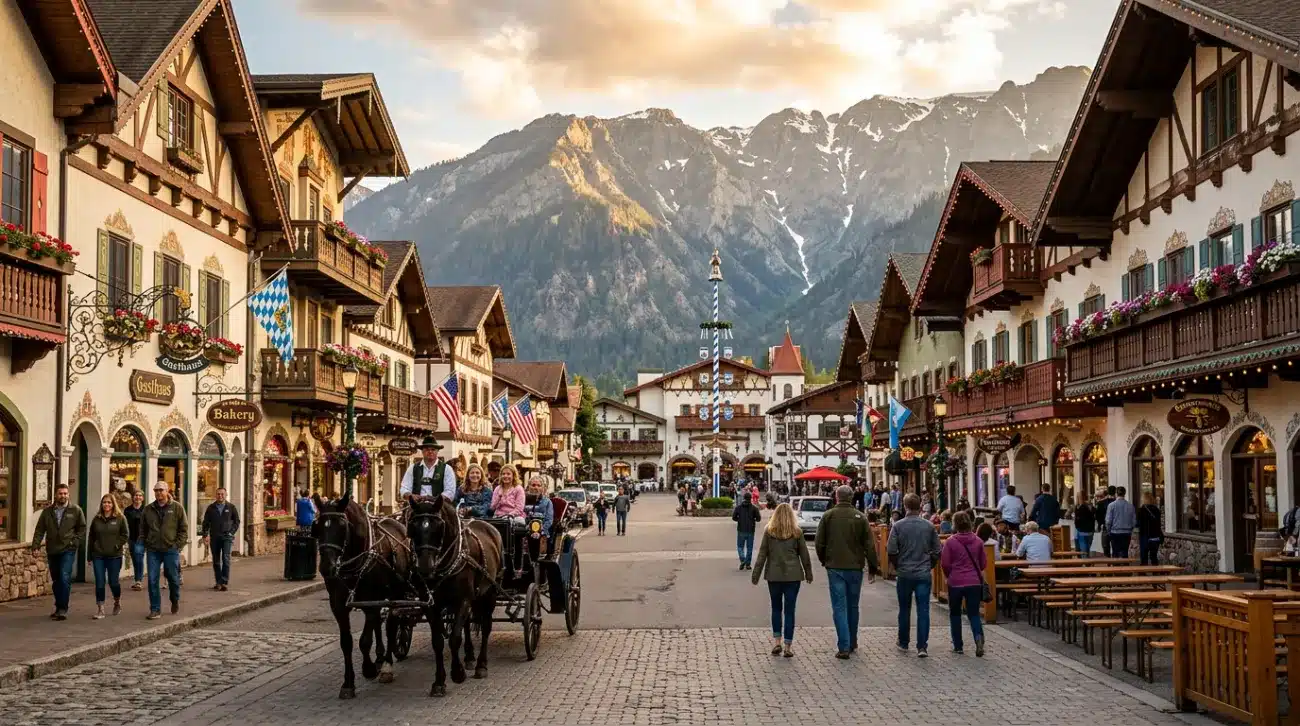
Leavenworth, Washington, stands as one of the most striking examples of European-inspired American communities. This former logging town transformed itself in the 1960s into a Bavarian-themed village complete with timber-framed buildings, flower-filled window boxes, and traditional German architecture. The surrounding Cascade Mountains provide a dramatic alpine backdrop that genuinely evokes the landscapes of southern Germany and Austria. Throughout the year, the town hosts celebrations that mirror European traditions, including Oktoberfest festivities and Christmas markets that draw visitors seeking an authentic German atmosphere without crossing the Atlantic.
Similarly, the town of Helen in northern Georgia underwent a Bavarian makeover in the 1960s, transforming a declining Appalachian lumber community into a charming alpine village. The Chattahoochee River runs through the center of town, adding to the idyllic European ambiance. While the architecture may be a deliberate recreation rather than an organic development, the commitment to maintaining the aesthetic has created a genuinely transportive experience for visitors seeking a taste of Central Europe in the American South.
Leavenworth, WA
Alpine architecture nestled in the Cascade Mountains with traditional German festivals and cuisine year-round.
Solvang, CA
Danish windmills, half-timbered buildings, and authentic Scandinavian bakeries in California wine country.
St. Augustine, FL
Spanish colonial architecture dating to the 16th century makes this the oldest European-established settlement in the U.S.
Scandinavian Heritage in the California Hills
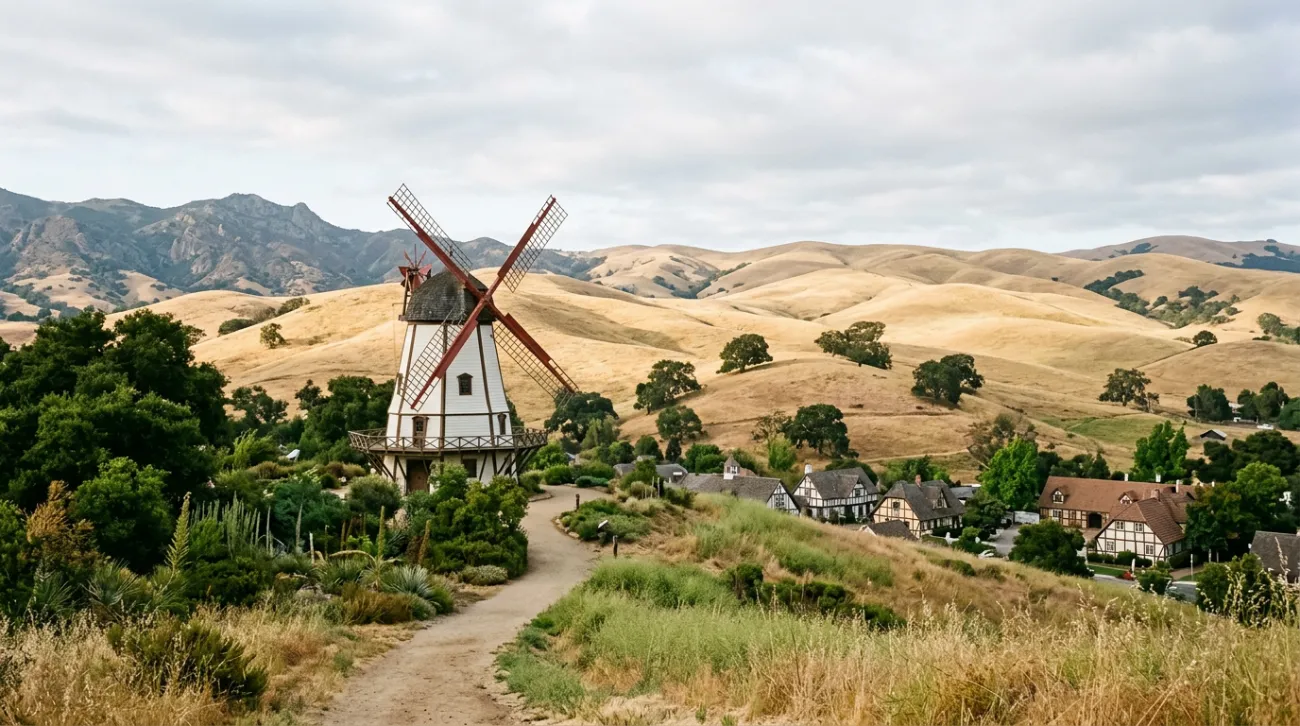
Solvang, California, transports visitors to Denmark without the lengthy transatlantic journey. Founded in 1911 by Danish immigrants seeking to establish an educational community, this Santa Ynez Valley town features authentic Danish architecture including iconic windmills, thatched-roof buildings, and traditional half-timbered structures. The community has maintained its Scandinavian character for over a century, with bakeries serving traditional Danish pastries like aebleskiver and shops selling imported European goods. The surrounding wine country adds another dimension to the experience, as the rolling hills and Mediterranean climate create landscapes reminiscent of pastoral European countryside.
Many of these European-inspired American towns were founded by actual immigrants from those regions, bringing genuine cultural traditions, recipes, and architectural knowledge that have been preserved across generations. This authentic heritage distinguishes them from mere themed attractions.
Caribbean and Pacific Island Experiences Without Leaving the States

The Florida Keys stretch like a string of tropical pearls into the Caribbean Sea, offering an atmosphere that feels distinctly separate from mainland America. Key West, in particular, has cultivated a laid-back island culture influenced by its proximity to Cuba, its history as a hub for Caribbean trade, and its tradition of artistic and literary residents. The pastel-colored buildings, palm-lined streets, and turquoise waters create a setting that could easily be mistaken for a Caribbean island nation. The local cuisine reflects these influences, blending seafood traditions with Cuban and Bahamian flavors.
Hawaii represents perhaps the most dramatic departure from typical American landscapes and culture. The islands offer volcanic terrain, tropical rainforests, and traditional Polynesian culture that feel worlds apart from the continental United States. From the dramatic Nā Pali Coast of Kauai to the volcanic landscapes of the Big Island, Hawaii presents geological and botanical wonders found nowhere else in America. The preservation of Hawaiian language, music, and cultural practices adds an authentic dimension that transforms a domestic trip into a genuine cross-cultural experience.
Tropical American Territories
French Quarter Charm and Spanish Colonial Architecture
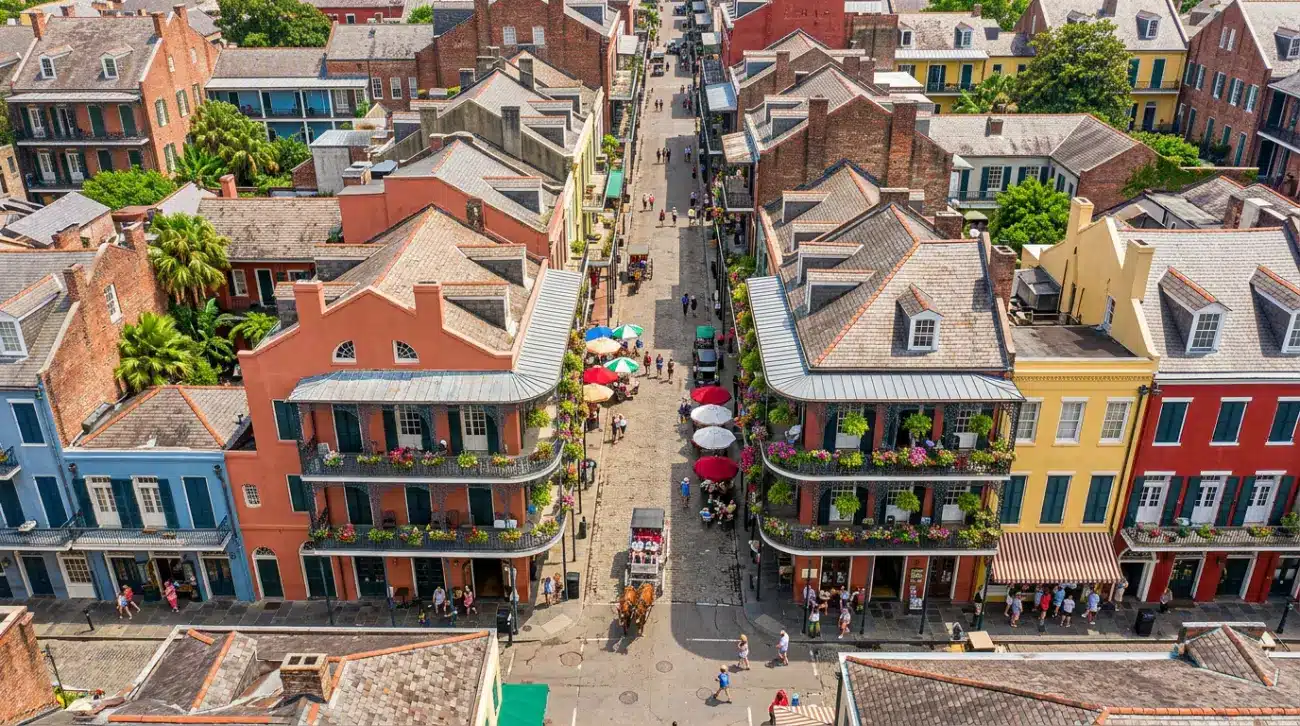
New Orleans remains one of America’s most distinctively European cities, with the French Quarter preserving architectural and cultural elements that date to French and Spanish colonial rule. The wrought-iron balconies, intimate courtyards, and narrow streets create an ambiance more reminiscent of southern France or Spain than typical American urban environments. Beyond the architecture, the city’s music, cuisine, and Catholic traditions reflect a cultural heritage that developed along very different lines from most American cities. The Creole and Cajun influences in local cooking, the jazz emerging from every corner, and the celebration of traditions like Mardi Gras create an atmosphere uniquely evocative of European and Caribbean influences.
San Antonio, Texas, offers a different flavor of Spanish colonial heritage, with the historic missions and the famous River Walk creating spaces that transport visitors to Mexico and Spain. The San Antonio Missions, including the Alamo, represent some of the finest examples of Spanish colonial architecture in North America. The River Walk itself, winding below street level through the heart of downtown, creates an intimate pedestrian environment unlike typical American downtowns, with its stone walkways, arched bridges, and vegetation evoking Mediterranean canal cities.
Asian Influences in American Cities
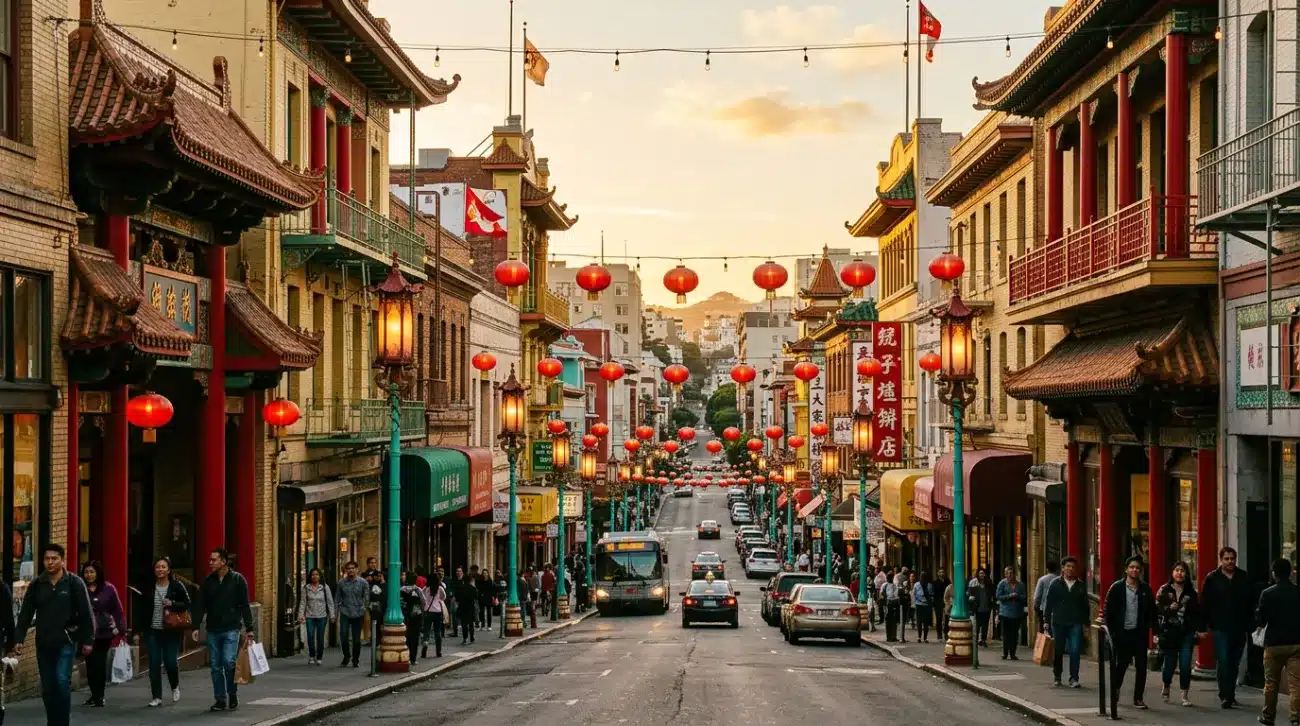
San Francisco’s Chinatown stands as the oldest and one of the most authentic Chinese communities outside of Asia. Established in the mid-19th century, this neighborhood has developed its own distinctive character over more than 150 years, with traditional architecture, temples, and markets that genuinely transport visitors to a different cultural sphere. The neighborhood extends beyond mere visual aesthetics to encompass authentic dim sum restaurants, traditional medicine shops, and cultural institutions that maintain living connections to Chinese heritage.
Similarly, the Japanese-influenced communities in Hawaii and Little Tokyo in Los Angeles offer immersive experiences in Japanese culture. Historic Japanese gardens, Buddhist temples, and neighborhoods with authentic Japanese restaurants and cultural centers create pockets where the predominant cultural influence feels distinctly Asian rather than Western. These communities often host traditional festivals and cultural events that further enhance the transportive quality of visiting.
Taos Pueblo, NM
Multi-story adobe structures continuously inhabited for over 1,000 years, representing indigenous architecture predating European contact.
Carmel-by-the-Sea, CA
Storybook cottages, lack of street addresses, and strict architectural codes create a fairy-tale European village atmosphere.
Monument Valley, UT/AZ
Otherworldly sandstone formations rising from the desert floor create landscapes that seem to belong to another planet entirely.