

Schistosomiasis: A Travel Warning for Swimmers Abroad

For travelers venturing to tropical and subtropical destinations, freshwater swimming presents an additional parasitic threat rarely encountered in the United States. Schistosomiasis, also known as bilharzia, is caused by parasitic worms that live in freshwater snails across much of Africa, parts of South America, Asia, and the Middle East. When the larvae are released into the water, they can penetrate human skin during swimming, paddling, diving, or even wading in contaminated water.
The infection poses significant long-term health risks that may not become apparent for years. Once inside the body, the parasites mature and can cause chronic damage to the bladder, kidneys, liver, and intestines. The global impact is staggering, with more than 200 million people affected each year worldwide. Popular tourist destinations with documented schistosomiasis risk include Lake Malawi in Africa, Lake Volta in Ghana, and freshwater bodies in Tanzania, Zambia, Uganda, Senegal, Egypt’s Nile Valley, parts of Brazil, the Philippines, and China’s Yangtze River basin.
The best prevention for schistosomiasis is avoiding freshwater swimming in endemic areas, even if locals or other travelers are doing so. Chlorinated swimming pools and saltwater present no risk. While the infection is treatable with the medication praziquantel, prevention and early detection remain the priority. Travelers who have swum in freshwater in endemic regions should inform their healthcare provider and request screening.
Essential Prevention Strategies for Recreational Water Safety

Protecting yourself from waterborne parasites requires awareness and proactive measures before, during, and after swimming. For those swimming in warm freshwater lakes, rivers, or hot springs, health officials recommend limiting water from entering the nose. Using nose clips or keeping the head above water can significantly reduce the risk of Naegleria fowleri infection. Avoiding swimming in areas with visible scum, poor water quality, or after heavy rainfall events can help minimize exposure to multiple parasitic threats.
In public pools, hot tubs, and water parks, the primary defense against chlorine-resistant parasites like Cryptosporidium involves behavioral precautions rather than relying solely on water treatment. Swimmers should avoid swallowing pool water and should never swim when experiencing diarrhea or for at least two weeks after recovering from diarrheal illness. A single infected swimmer can contaminate an entire pool, and the parasite can persist for days even in properly maintained facilities.
Warning signs that should prompt medical attention after lake or pool exposure include severe or persistent diarrhea lasting more than a week, fever, vomiting, worsening rash, infected-looking skin, ear pain, or eye irritation. Emergency care is essential if someone develops severe headaches, fever, nausea, vomiting, stiff neck, confusion, seizures, or neurological symptoms after warm freshwater enters the nose, as these symptoms can indicate a rare but serious brain infection requiring immediate intervention.
The Balance Between Summer Fun and Waterborne Disease Awareness
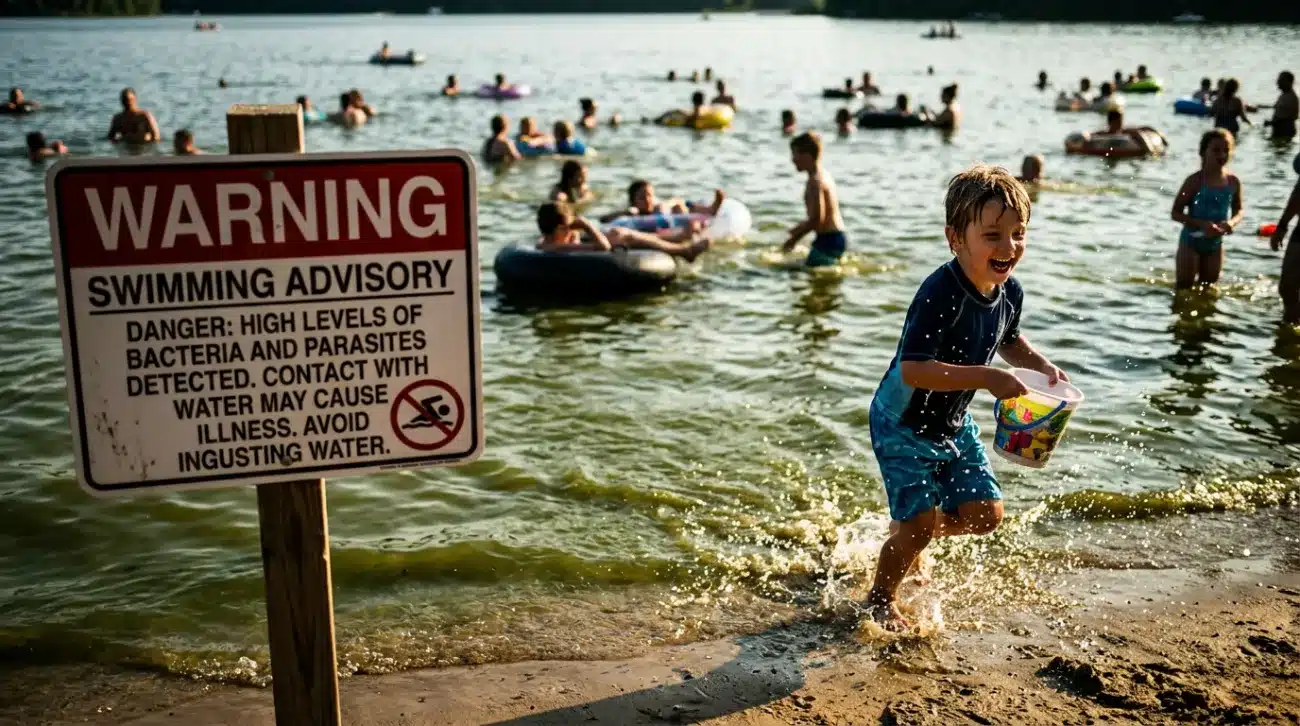
While the parasitic threats lurking in recreational waters are real and can be devastating, they should not deter people from enjoying swimming when proper precautions are observed. The risk of Naegleria fowleri infection, though almost always fatal, remains extremely rare compared to far more common dangers like drowning. Cryptosporidium and Giardia, while causing significant illness, typically resolve without long-term complications in healthy individuals. By understanding which bodies of water pose the greatest risks, recognizing warning signs of contamination, following prevention guidelines, and knowing when to seek medical attention, swimmers can make informed decisions that allow them to enjoy recreational waters while minimizing their exposure to these hidden dangers. The key lies not in fear but in awareness—knowing that the same waters that bring joy and relief during hot summer months deserve respect and vigilance in equal measure.


